
The Jewish Pulse
The Jewish Pulse

Live Blog
Featured
Featured
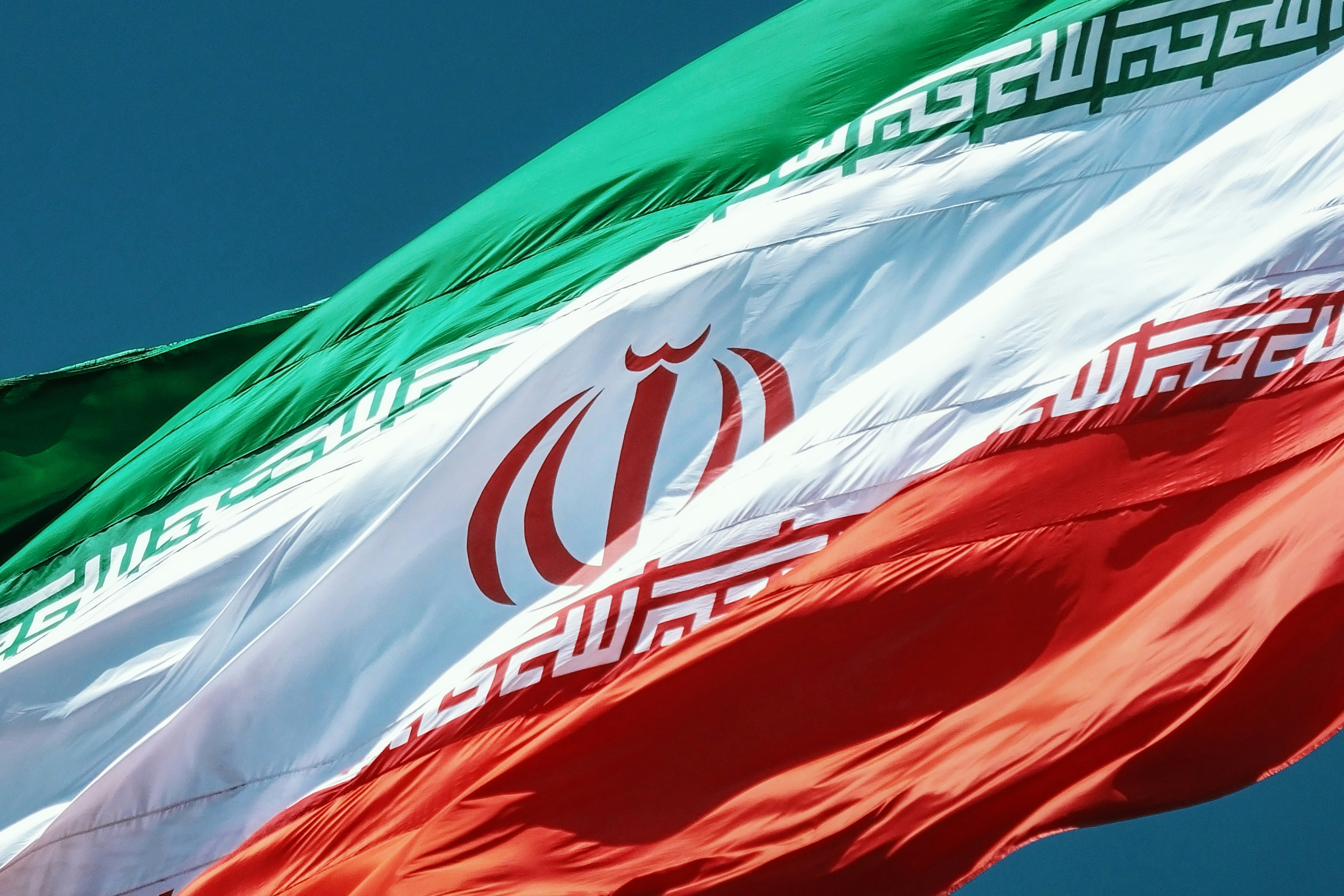
What Could Happen If the U.S. Strikes Iran? Possible Outcomes and Global Implications
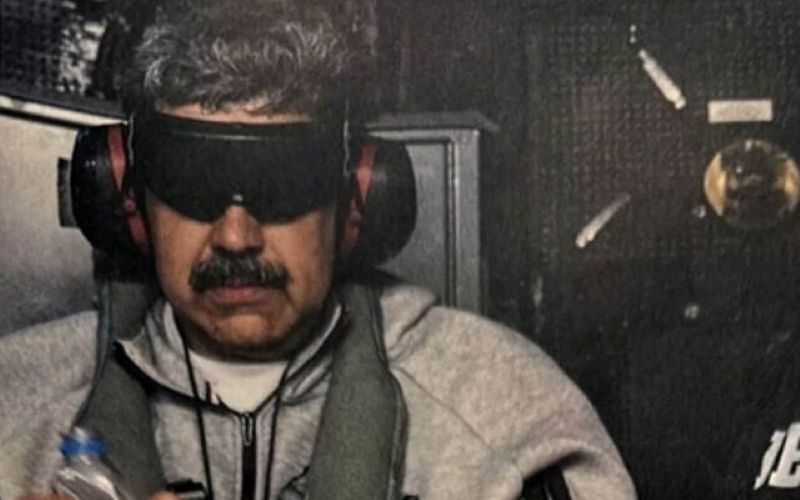
“I’M NOT ALLOWED TO TALK ABOUT IT”: Trump Says Secret “Discombobulator” Weapon Helped Capture Maduro
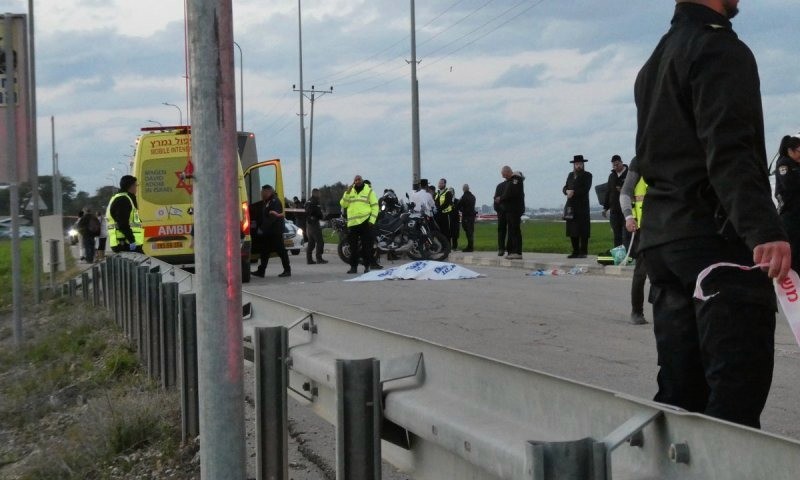
Contrary To Police Request: Court Releases Bus Driver Who Killed Naftali Kramer, Z’L
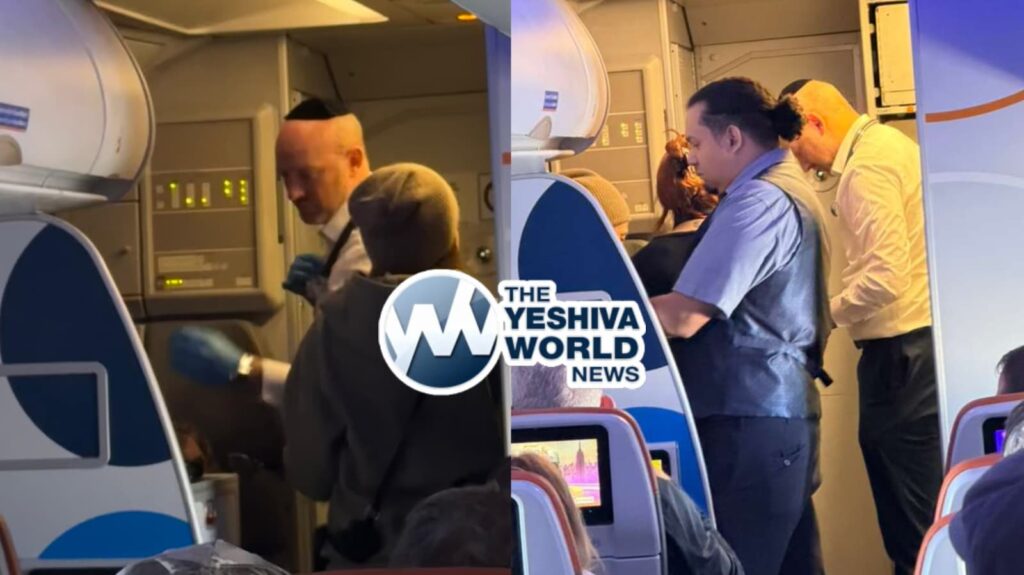
INCREDIBLE: Not Your Typical “Life Saved on a Plane” Story: Hatzolah Members Save Passenger Mid-Flight

BORO PARK: Shomrim Warns of Organized Auto Thieves Using Key-Cloning Technology as Multiple Cars Are Stolen Overnight
Despite Criticism, Netanyahu Announces He Accepted Trump’s Invite To Join Board Of Peace

Massive Breaking News! Copy
Massive Breaking News!
What Could Happen If the U.S. Strikes Iran? Possible Outcomes and Global Implications
“I’M NOT ALLOWED TO TALK ABOUT IT”: Trump Says Secret “Discombobulator” Weapon Helped Capture Maduro
Contrary To Police Request: Court Releases Bus Driver Who Killed Naftali Kramer, Z’L
INCREDIBLE: Not Your Typical “Life Saved on a Plane” Story: Hatzolah Members Save Passenger Mid-Flight
BORO PARK: Shomrim Warns of Organized Auto Thieves Using Key-Cloning Technology as Multiple Cars Are Stolen Overnight
Despite Criticism, Netanyahu Announces He Accepted Trump’s Invite To Join Board Of Peace
Massive Breaking News! Copy
Massive Breaking News!
All articles
All articles
What Could Happen If the U.S. Strikes Iran? Possible Outcomes and Global Implications
What Could Happen If the U.S. Strikes Iran? Possible Outcomes and Global Implications
A potential U.S. military strike on Iran would mark one of the most consequential escalations in Middle East tensions in decades. While the scope and intent of any such action would matter greatly, analysts warn that even a limited strike could trigger wide-ranging military, political, and economic consequences—both regionally and globally.
Below is an overview of the key potential outcomes experts are watching closely.
Immediate Military Impact
A U.S. strike would likely focus on Iran’s nuclear facilities, missile infrastructure, or military command centers. In the short term, such an operation could degrade specific capabilities and set back parts of Iran’s nuclear or weapons programs.
However, experts caution that Iran’s facilities are widely dispersed and heavily fortified. As a result, a single strike may not achieve lasting strategic goals without follow-up operations, raising the risk of prolonged military engagement.
Iranian Retaliation and Escalation Risks
Iran has repeatedly stated it would respond forcefully to any attack. Retaliation could take several forms, including:
Missile or drone strikes on U.S. bases in the Middle East
Attacks on U.S. allies through regional proxy groups
Naval actions in or near key shipping routes
Cyberattacks targeting Western infrastructure
Such responses could quickly expand the conflict beyond Iran itself, drawing in neighboring countries and increasing the likelihood of a broader regional war.
Regional Fallout in the Middle East
A U.S.–Iran confrontation could destabilize an already fragile region. Countries such as Israel, Lebanon, Iraq, Syria, and Yemen could be pulled into the conflict either directly or through proxy forces.
Several Gulf states, while wary of Iran, have expressed concern about becoming battlegrounds themselves. Any escalation risks undermining regional security, disrupting diplomatic relations, and inflaming existing conflicts.
Global Economic Consequences
One of the most immediate global effects would likely be felt in energy markets. Iran’s proximity to the Strait of Hormuz—a vital passageway for a significant portion of the world’s oil—makes global supply particularly vulnerable.
Even the threat of disruption could:
Drive oil and gas prices sharply higher
Increase inflation worldwide
Strain economies already facing economic uncertainty
Shipping insurance costs and global trade flows could also be affected.
Diplomatic and Political Repercussions
International reaction to a U.S. strike would likely be divided. Some allies may support the action as a deterrent, while others could condemn it as destabilizing or unlawful.
At the United Nations and other international forums, such a strike could deepen global divisions and weaken diplomatic efforts to contain future conflicts. It may also push Iran further away from negotiations and toward a more confrontational posture.
Impact Inside Iran
Rather than weakening Iran’s leadership, military action could rally domestic support around the government, strengthening hardline factions and reducing internal dissent. Economic hardship and civilian suffering could increase, particularly if the conflict expands or sanctions intensify.
Humanitarian concerns would grow rapidly if civilian infrastructure is damaged or if regional fighting escalates.
Worst-Case Scenario
In the most severe outcome, a U.S. strike could trigger a prolonged regional war involving multiple state and non-state actors. Such a conflict could reshape Middle East geopolitics, disrupt the global economy, and have lasting security consequences far beyond the region.
Conclusion
A U.S. strike on Iran carries high stakes and uncertain outcomes. While it could achieve limited military objectives, the risks of escalation, economic disruption, and long-term instability are significant. Much would depend on the scale of the action, international coordination, and whether diplomacy follows—or collapses entirely.
As tensions continue, world leaders and markets alike remain on edge, aware that any miscalculation could have consequences felt far beyond the Middle East.
A potential U.S. military strike on Iran would mark one of the most consequential escalations in Middle East tensions in decades. While the scope and intent of any such action would matter greatly, analysts warn that even a limited strike could trigger wide-ranging military, political, and economic consequences—both regionally and globally.
Below is an overview of the key potential outcomes experts are watching closely.
Immediate Military Impact
A U.S. strike would likely focus on Iran’s nuclear facilities, missile infrastructure, or military command centers. In the short term, such an operation could degrade specific capabilities and set back parts of Iran’s nuclear or weapons programs.
However, experts caution that Iran’s facilities are widely dispersed and heavily fortified. As a result, a single strike may not achieve lasting strategic goals without follow-up operations, raising the risk of prolonged military engagement.
Iranian Retaliation and Escalation Risks
Iran has repeatedly stated it would respond forcefully to any attack. Retaliation could take several forms, including:
Missile or drone strikes on U.S. bases in the Middle East
Attacks on U.S. allies through regional proxy groups
Naval actions in or near key shipping routes
Cyberattacks targeting Western infrastructure
Such responses could quickly expand the conflict beyond Iran itself, drawing in neighboring countries and increasing the likelihood of a broader regional war.
Regional Fallout in the Middle East
A U.S.–Iran confrontation could destabilize an already fragile region. Countries such as Israel, Lebanon, Iraq, Syria, and Yemen could be pulled into the conflict either directly or through proxy forces.
Several Gulf states, while wary of Iran, have expressed concern about becoming battlegrounds themselves. Any escalation risks undermining regional security, disrupting diplomatic relations, and inflaming existing conflicts.
Global Economic Consequences
One of the most immediate global effects would likely be felt in energy markets. Iran’s proximity to the Strait of Hormuz—a vital passageway for a significant portion of the world’s oil—makes global supply particularly vulnerable.
Even the threat of disruption could:
Drive oil and gas prices sharply higher
Increase inflation worldwide
Strain economies already facing economic uncertainty
Shipping insurance costs and global trade flows could also be affected.
Diplomatic and Political Repercussions
International reaction to a U.S. strike would likely be divided. Some allies may support the action as a deterrent, while others could condemn it as destabilizing or unlawful.
At the United Nations and other international forums, such a strike could deepen global divisions and weaken diplomatic efforts to contain future conflicts. It may also push Iran further away from negotiations and toward a more confrontational posture.
Impact Inside Iran
Rather than weakening Iran’s leadership, military action could rally domestic support around the government, strengthening hardline factions and reducing internal dissent. Economic hardship and civilian suffering could increase, particularly if the conflict expands or sanctions intensify.
Humanitarian concerns would grow rapidly if civilian infrastructure is damaged or if regional fighting escalates.
Worst-Case Scenario
In the most severe outcome, a U.S. strike could trigger a prolonged regional war involving multiple state and non-state actors. Such a conflict could reshape Middle East geopolitics, disrupt the global economy, and have lasting security consequences far beyond the region.
Conclusion
A U.S. strike on Iran carries high stakes and uncertain outcomes. While it could achieve limited military objectives, the risks of escalation, economic disruption, and long-term instability are significant. Much would depend on the scale of the action, international coordination, and whether diplomacy follows—or collapses entirely.
As tensions continue, world leaders and markets alike remain on edge, aware that any miscalculation could have consequences felt far beyond the Middle East.
7 min read
“I’M NOT ALLOWED TO TALK ABOUT IT”: Trump Says Secret “Discombobulator” Weapon Helped Capture Maduro
“I’M NOT ALLOWED TO TALK ABOUT IT”: Trump Says Secret “Discombobulator” Weapon Helped Capture Maduro
President Donald Trump says a previously undisclosed U.S. weapon system he calls “The Discombobulator” played a decisive role in the daring American raid that led to the capture of Venezuelan strongman Nicolás Maduro earlier this month.
In an interview with The New York Post, Trump confirmed that the mysterious weapon was deployed during the Jan. 3 operation in Caracas that resulted in the arrest of Maduro and his wife, Cilia Flores, on federal drug and weapons charges. The raid, carried out by U.S. special operations forces, marked one of the most aggressive direct U.S. actions against a sitting foreign leader in decades.
“The Discombobulator. I’m not allowed to talk about it,” Trump said during the Oval Office interview. “I would love to. They never got their rockets off. They had Russian and Chinese rockets, and they never got one off. We came in, they pressed buttons and nothing worked. They were all set for us.”
Trump said the weapon disabled enemy systems, preventing Maduro’s forces from launching defensive measures as U.S. helicopters entered the capital.
U.S. officials have not publicly detailed the system, though multiple reports suggest it may involve a form of pulsed energy or advanced sonic technology.
Accounts from Venezuelan security personnel on the ground describe sudden equipment failures followed by severe physical symptoms after the weapon was deployed.
One member of Maduro’s security team told reporters that “suddenly all our radar systems shut down without any explanation.” Moments later, he said, U.S. drones appeared overhead, followed by helicopters carrying American troops.
“At one point, they launched something; I don’t know how to describe it. It was like a very intense sound wave,” the guard said. “Suddenly I felt like my head was exploding from the inside. We all started bleeding from the nose. Some were vomiting blood. We fell to the ground, unable to move.”
The reported symptoms have fueled speculation among defense analysts that the device may be related to pulsed energy technology that has previously been linked — though not definitively proven — to so-called “Havana Syndrome,” a condition that has affected U.S. diplomats and intelligence officers in recent years.
Trump referenced those reports when discussing the weapon, noting that the Biden administration had previously explored acquiring similar systems.
The raid, part of a broader U.S. military and intelligence campaign against Venezuela’s government and alleged narcotics networks, resulted in Maduro being transferred to U.S. custody. He is currently being held in a federal jail in Brooklyn awaiting trial on narcoterrorism charges.
Following Maduro’s capture, his former vice president, Delcy Rodríguez, was installed as Venezuela’s interim leader — a move that has been recognized by Washington but remains disputed inside the country.
“We have a great relationship with the new president,” Trump said. “She’s been terrific.”
The White House and Pentagon have declined to provide additional details about the weapon or its legal framework, citing classification and operational security.
President Donald Trump says a previously undisclosed U.S. weapon system he calls “The Discombobulator” played a decisive role in the daring American raid that led to the capture of Venezuelan strongman Nicolás Maduro earlier this month.
In an interview with The New York Post, Trump confirmed that the mysterious weapon was deployed during the Jan. 3 operation in Caracas that resulted in the arrest of Maduro and his wife, Cilia Flores, on federal drug and weapons charges. The raid, carried out by U.S. special operations forces, marked one of the most aggressive direct U.S. actions against a sitting foreign leader in decades.
“The Discombobulator. I’m not allowed to talk about it,” Trump said during the Oval Office interview. “I would love to. They never got their rockets off. They had Russian and Chinese rockets, and they never got one off. We came in, they pressed buttons and nothing worked. They were all set for us.”
Trump said the weapon disabled enemy systems, preventing Maduro’s forces from launching defensive measures as U.S. helicopters entered the capital.
U.S. officials have not publicly detailed the system, though multiple reports suggest it may involve a form of pulsed energy or advanced sonic technology.
Accounts from Venezuelan security personnel on the ground describe sudden equipment failures followed by severe physical symptoms after the weapon was deployed.
One member of Maduro’s security team told reporters that “suddenly all our radar systems shut down without any explanation.” Moments later, he said, U.S. drones appeared overhead, followed by helicopters carrying American troops.
“At one point, they launched something; I don’t know how to describe it. It was like a very intense sound wave,” the guard said. “Suddenly I felt like my head was exploding from the inside. We all started bleeding from the nose. Some were vomiting blood. We fell to the ground, unable to move.”
The reported symptoms have fueled speculation among defense analysts that the device may be related to pulsed energy technology that has previously been linked — though not definitively proven — to so-called “Havana Syndrome,” a condition that has affected U.S. diplomats and intelligence officers in recent years.
Trump referenced those reports when discussing the weapon, noting that the Biden administration had previously explored acquiring similar systems.
The raid, part of a broader U.S. military and intelligence campaign against Venezuela’s government and alleged narcotics networks, resulted in Maduro being transferred to U.S. custody. He is currently being held in a federal jail in Brooklyn awaiting trial on narcoterrorism charges.
Following Maduro’s capture, his former vice president, Delcy Rodríguez, was installed as Venezuela’s interim leader — a move that has been recognized by Washington but remains disputed inside the country.
“We have a great relationship with the new president,” Trump said. “She’s been terrific.”
The White House and Pentagon have declined to provide additional details about the weapon or its legal framework, citing classification and operational security.
4 min read
Contrary To Police Request: Court Releases Bus Driver Who Killed Naftali Kramer, Z’L
Contrary To Police Request: Court Releases Bus Driver Who Killed Naftali Kramer, Z’L
The court on Wednesday rejected the police request to extend the arrest of the bus driver who struck and killed Naftali Tzvi Kramer, z’l, contrary to the request of the police, who had demanded that his detention be extended by another 10 days.
During the hearing, the police argued that there is a real need to continue holding the driver in custody, among other things, due to the severity of the incident and its fatal consequences. However, the court ruled that at this stage there is no justification to grant the request and ordered the driver’s release under restrictive conditions.
The police announced that they will appeal the court’s decision.
Disturbing footage filmed inside the bus in the moments that the driver struck and killed Kramer, z’l, near Komemiyut on Tuesday has raised serious questions about the background of the deadly incident.
The footage from the bus camera, published by Yisrael Hayom on Wednesday morning, shows that the driver was driving erratically before the “accident.” The frightened girls on the bus are heard panicking over the driver’s reckless behavior in the moment before the impact. “Here are all the bochurim. What is he doing?” they are heard saying. “He’s crazy! Oh no. These are bochurim—stop! What is this? What did he do, idiot!”
And then hysterical screams are heard after the fatal impact.
UTJ party leader MK Uri Maklev sent a letter to Knesset Speaker MK Amir Ohana on Wednesday, demanding that an emergency Knesset discussion be held on an urgent proposal for the agenda on the topic: “A severe phenomenon of the ramming of protesters—two dead and four injured.”
The court on Wednesday rejected the police request to extend the arrest of the bus driver who struck and killed Naftali Tzvi Kramer, z’l, contrary to the request of the police, who had demanded that his detention be extended by another 10 days.
During the hearing, the police argued that there is a real need to continue holding the driver in custody, among other things, due to the severity of the incident and its fatal consequences. However, the court ruled that at this stage there is no justification to grant the request and ordered the driver’s release under restrictive conditions.
The police announced that they will appeal the court’s decision.
Disturbing footage filmed inside the bus in the moments that the driver struck and killed Kramer, z’l, near Komemiyut on Tuesday has raised serious questions about the background of the deadly incident.
The footage from the bus camera, published by Yisrael Hayom on Wednesday morning, shows that the driver was driving erratically before the “accident.” The frightened girls on the bus are heard panicking over the driver’s reckless behavior in the moment before the impact. “Here are all the bochurim. What is he doing?” they are heard saying. “He’s crazy! Oh no. These are bochurim—stop! What is this? What did he do, idiot!”
And then hysterical screams are heard after the fatal impact.
UTJ party leader MK Uri Maklev sent a letter to Knesset Speaker MK Amir Ohana on Wednesday, demanding that an emergency Knesset discussion be held on an urgent proposal for the agenda on the topic: “A severe phenomenon of the ramming of protesters—two dead and four injured.”
0 min read
INCREDIBLE: Not Your Typical “Life Saved on a Plane” Story: Hatzolah Members Save Passenger Mid-Flight
INCREDIBLE: Not Your Typical “Life Saved on a Plane” Story: Hatzolah Members Save Passenger Mid-Flight
A dramatic medical emergency unfolded aboard a JetBlue flight from Fort Lauderdale to Newark this week, when a 67-year-old woman was found unconscious in the aircraft bathroom with critically unstable vital signs and cyanosis.
On board were Chaim Wieder (Hatzalah South Florida / HSF-23), also a respiratory therapist at Memorial Hospital, and his wife Gitty (Orzechowitz), a nurse practitioner and the daughter of Hatzolah members F18/HSF18/L318. The two immediately sprang into action.
The patient was discovered unresponsive and in critical condition. Chaim and Gitty initiated emergency care mid-flight, starting two IV lines and administering multiple medications using the limited medical resources available on the aircraft.
Thanks to their swift and professional intervention, the woman was stabilized before landing. Upon arrival in Newark, care was transferred to awaiting EMS units for further treatment.
When the patient regained consciousness and realized she had been saved by two Jewish medical professionals, she reportedly said, “Yasher Koach.”
It was later confirmed that the patient herself is Jewish, and her life was quite literally saved in the skies.
A dramatic medical emergency unfolded aboard a JetBlue flight from Fort Lauderdale to Newark this week, when a 67-year-old woman was found unconscious in the aircraft bathroom with critically unstable vital signs and cyanosis.
On board were Chaim Wieder (Hatzalah South Florida / HSF-23), also a respiratory therapist at Memorial Hospital, and his wife Gitty (Orzechowitz), a nurse practitioner and the daughter of Hatzolah members F18/HSF18/L318. The two immediately sprang into action.
The patient was discovered unresponsive and in critical condition. Chaim and Gitty initiated emergency care mid-flight, starting two IV lines and administering multiple medications using the limited medical resources available on the aircraft.
Thanks to their swift and professional intervention, the woman was stabilized before landing. Upon arrival in Newark, care was transferred to awaiting EMS units for further treatment.
When the patient regained consciousness and realized she had been saved by two Jewish medical professionals, she reportedly said, “Yasher Koach.”
It was later confirmed that the patient herself is Jewish, and her life was quite literally saved in the skies.
0 min read
BORO PARK: Shomrim Warns of Organized Auto Thieves Using Key-Cloning Technology as Multiple Cars Are Stolen Overnight
BORO PARK: Shomrim Warns of Organized Auto Thieves Using Key-Cloning Technology as Multiple Cars Are Stolen Overnight
At least five vehicles were reported stolen overnight in Boro Park, according to Boro Park Shomrim, as part of what appears to be a coordinated auto theft operation. Sources tell YWN that the vehicles were not taken due to owners leaving keys inside. Instead, suspects are believed to be using electronic devices capable of quickly copying or programming car keys after gaining access to the vehicle.
The thefts have primarily targeted Honda and Toyota models, though Shomrim stresses that no vehicle should be considered completely safe. In several incidents, suspects smashed a window, created a new key on the spot, and drove off within minutes.
Boro Park Shomrim is urging residents to take preventative measures to reduce the risk of theft. Recommendations include parking targeted vehicles behind another car in a driveway when possible, ensuring factory-installed tracking systems are activated, and adding secondary tracking devices such as AirTags or Tile trackers. While no security measure is foolproof, added layers can help deter thieves.
Anyone who sees the stolen vehicles or has information is urged not to approach and to immediately call 911 and Boro Park Shomrim at 718-871-6666.
THIS STORY WAS FIRST PUBLISHED ON THE BORO PARK SCOOP WHATSAPP
CLICK HERE SIGN UP TO THE BORO PARK SCOOP WHATSAPP STATUS TO BE INFORMED OF BORO PARK NEWS IN LIVE TIME

At least five vehicles were reported stolen overnight in Boro Park, according to Boro Park Shomrim, as part of what appears to be a coordinated auto theft operation. Sources tell YWN that the vehicles were not taken due to owners leaving keys inside. Instead, suspects are believed to be using electronic devices capable of quickly copying or programming car keys after gaining access to the vehicle.
The thefts have primarily targeted Honda and Toyota models, though Shomrim stresses that no vehicle should be considered completely safe. In several incidents, suspects smashed a window, created a new key on the spot, and drove off within minutes.
Boro Park Shomrim is urging residents to take preventative measures to reduce the risk of theft. Recommendations include parking targeted vehicles behind another car in a driveway when possible, ensuring factory-installed tracking systems are activated, and adding secondary tracking devices such as AirTags or Tile trackers. While no security measure is foolproof, added layers can help deter thieves.
Anyone who sees the stolen vehicles or has information is urged not to approach and to immediately call 911 and Boro Park Shomrim at 718-871-6666.
THIS STORY WAS FIRST PUBLISHED ON THE BORO PARK SCOOP WHATSAPP
CLICK HERE SIGN UP TO THE BORO PARK SCOOP WHATSAPP STATUS TO BE INFORMED OF BORO PARK NEWS IN LIVE TIME
0 min read
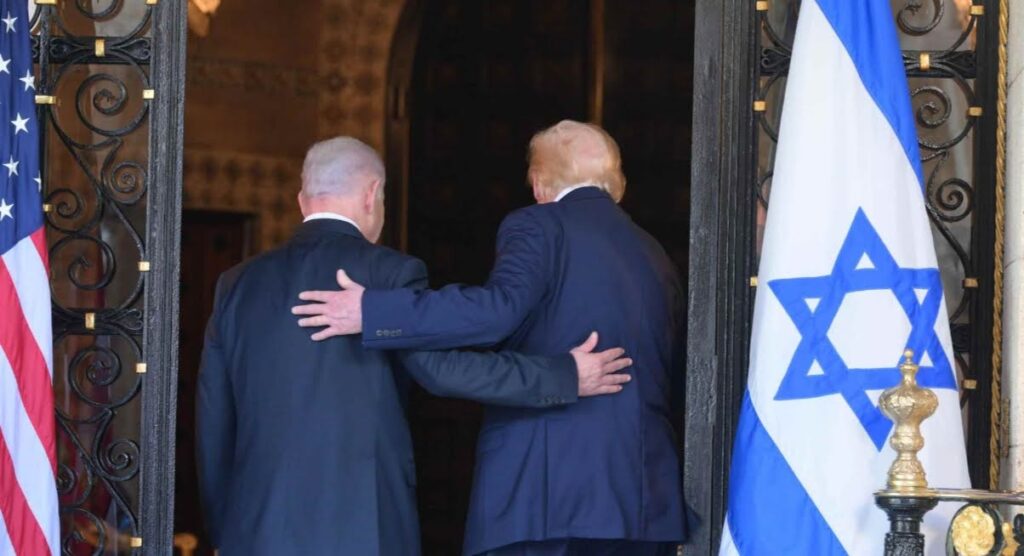
Despite Criticism, Netanyahu Announces He Accepted Trump’s Invite To Join Board Of Peace
Despite Criticism, Netanyahu Announces He Accepted Trump’s Invite To Join Board Of Peace
Prime Minister Binyamin Netanyahu’s office announced on Wednesday morning that he has accepted the invitation of US President Donald Trump to join the Board of Peace, which will be composed of world leaders and will oversee the administration of the Gaza Strip
The decision comes against the backdrop of unusual tension between Jerusalem and Washington after Trump announced the formation of the Board, which includes officials from Qatar and Turkey, without notifying Israel beforehand.
Just days ago, on Motzei Shabbos, the Prime Minister’s Office criticized Trump’s announcement about establishing the Board of Place, claiming that the move was carried out without prior coordination with Israel. An official statement at the time said that Netanyahu instructed Foreign Minister Gideon Sa’ar to urgently contact U.S. Secretary of State Marco Rubio and clarify Israel’s opposition to the initiative.
The Prime Minister’s Office clarified that the US declaration “does not align with Israeli policy” and could affect security and strategic considerations.
Channel 12 News confirmed the fact that Israel was not notified in advance about the inclusion of Qatari and Turkish officials on the board.
“We did not tell Netanyahu in advance about the composition of the executive committee. He did not expect there to be representatives from Turkey and Qatar, but Gaza is now our show, not his show,” the U.S. officials were quoted as saying.
“If he wants the Trump administration to deal with Gaza—we will do it our way,” they added.
Prime Minister Binyamin Netanyahu’s office announced on Wednesday morning that he has accepted the invitation of US President Donald Trump to join the Board of Peace, which will be composed of world leaders and will oversee the administration of the Gaza Strip
The decision comes against the backdrop of unusual tension between Jerusalem and Washington after Trump announced the formation of the Board, which includes officials from Qatar and Turkey, without notifying Israel beforehand.
Just days ago, on Motzei Shabbos, the Prime Minister’s Office criticized Trump’s announcement about establishing the Board of Place, claiming that the move was carried out without prior coordination with Israel. An official statement at the time said that Netanyahu instructed Foreign Minister Gideon Sa’ar to urgently contact U.S. Secretary of State Marco Rubio and clarify Israel’s opposition to the initiative.
The Prime Minister’s Office clarified that the US declaration “does not align with Israeli policy” and could affect security and strategic considerations.
Channel 12 News confirmed the fact that Israel was not notified in advance about the inclusion of Qatari and Turkish officials on the board.
“We did not tell Netanyahu in advance about the composition of the executive committee. He did not expect there to be representatives from Turkey and Qatar, but Gaza is now our show, not his show,” the U.S. officials were quoted as saying.
“If he wants the Trump administration to deal with Gaza—we will do it our way,” they added.
0 min read
Massive Breaking News! Copy
Massive Breaking News! Copy
Yes, that's right! There is massive breaking news available! Just check in with us every day to keep up eith the most relevant news in town!
Yes, that's right! There is massive breaking news available! Just check in with us every day to keep up eith the most relevant news in town!
0 min read
Massive Breaking News!
Massive Breaking News!
Yes, that's right! There is massive breaking news available! Just check in with us every day to keep up eith the most relevant news in town!
Yes, that's right! There is massive breaking news available! Just check in with us every day to keep up eith the most relevant news in town!
0 min read
Trending
What Could Happen If the U.S. Strikes Iran? Possible Outcomes and Global Implications
“I’M NOT ALLOWED TO TALK ABOUT IT”: Trump Says Secret “Discombobulator” Weapon Helped Capture Maduro
Contrary To Police Request: Court Releases Bus Driver Who Killed Naftali Kramer, Z’L
INCREDIBLE: Not Your Typical “Life Saved on a Plane” Story: Hatzolah Members Save Passenger Mid-Flight
BORO PARK: Shomrim Warns of Organized Auto Thieves Using Key-Cloning Technology as Multiple Cars Are Stolen Overnight
Despite Criticism, Netanyahu Announces He Accepted Trump’s Invite To Join Board Of Peace
Massive Breaking News! Copy
Massive Breaking News!